Child Dental Services
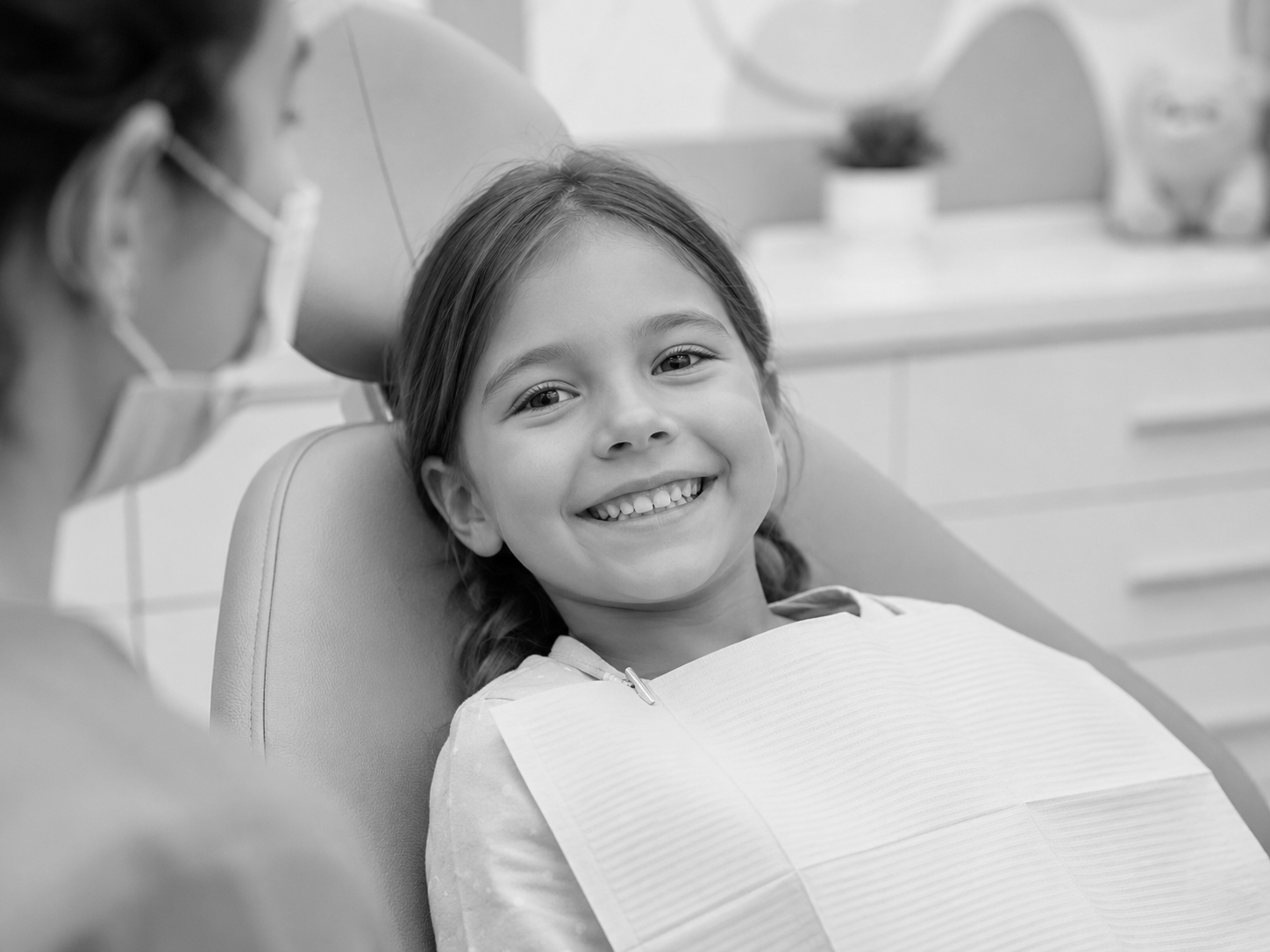
Good dental habits start early. We welcome children from their first tooth through to their teenage years, with a focus on prevention, comfort and building positive associations with the dentist.
Early dental visits are about much more than checking for cavities. They help children get comfortable in the dental chair, give parents practical guidance on brushing and diet, and let us track development and spot issues early, before they become bigger problems. The aim is for children to grow up seeing the dentist as a normal, unthreatening part of looking after themselves.
At Claremont Dental Rooms, children are welcome from their first tooth onward. Regular check-ups, hygiene visits and early guidance on brushing and diet help establish healthy foundations. As children grow, we monitor the development of their teeth and jaws, which can flag the need for orthodontic assessment at the right time rather than too late.
Eligible children can receive care under the Child Dental Benefits Schedule (CDBS), which covers a portion of basic dental services for qualifying families. We are happy to check whether your child qualifies and explain what is covered.
For cases that benefit from specialist input, such as treatment under general anaesthetic or complex behavioural needs, we work closely with trusted paediatric dental specialists and can arrange a referral when it is the right course of action. Knowing when to refer is part of good care, and we will always be straightforward about when a specialist is the better option for your child.
Frequently Asked Questions
-
Current guidance recommends a child's first dental visit by around their first birthday, or within six months of the first tooth appearing. These early visits are short and gentle, focused on getting your child comfortable and giving you guidance on care, rather than on treatment.
-
Many children qualify for the Child Dental Benefits Schedule, which covers a capped amount of basic dental services over two years for families receiving an eligible government payment. We can check your child's eligibility and explain what is included.
-
Baby teeth hold space for the adult teeth, help with chewing and speech, and guide the developing bite. Decay or early loss of baby teeth can cause pain, infection and problems with how the adult teeth come through, so looking after them is genuinely important.
-
The most effective steps are brushing twice a day with an age-appropriate fluoride toothpaste, limiting sugary foods and drinks, especially between meals, avoiding sugary drinks in bottles, and keeping up regular dental check-ups. We give tailored advice based on your child's age and risk.
-
This is common and manageable. Early, positive, low-pressure visits help a great deal. For children with significant anxiety or complex needs, we work with paediatric dental specialists who have additional training and facilities, including treatment under general anaesthetic where appropriate, and can refer when it is the right choice.
-
An orthodontic assessment is often recommended around ages seven to ten, when enough adult teeth and jaw development are present to identify any issues, even if treatment itself comes later. As part of regular check-ups we monitor development and will flag if and when an orthodontic assessment is worthwhile.


We accept all health insurance companies including BUPA, HCF, HIF, Police Health, Navy Health, Teachers Health, Police Health. We also accept government payments: Department of Veterans Affairs, Child Dental Benefit Scheme and Metropolitan Patients Dental Subsidy Scheme.