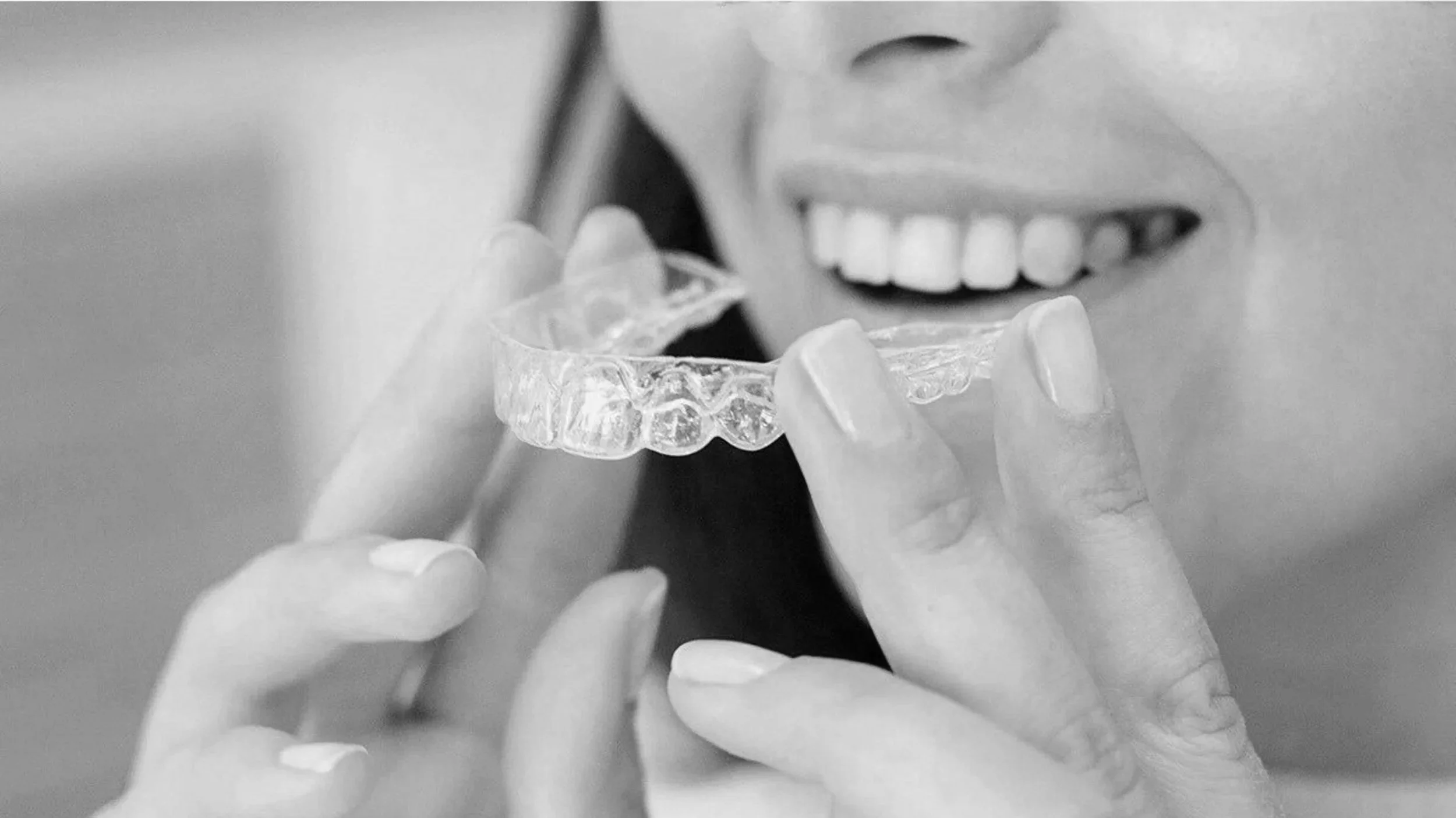
Invisalign Clear Aligners
Clear aligners straighten teeth discreetly, using a series of custom-made transparent trays instead of fixed braces. They suit many adults and teenagers who want a less visible option, but they are not right for every case, and we will tell you honestly if they are not.
Invisalign and similar clear aligner systems use a sequence of custom-made, transparent trays to move teeth gradually into a better position. Each set is worn for a defined period before progressing to the next, with each tray applying small, controlled forces over time.
At Claremont Dental Rooms, every aligner case begins with a digital intraoral scan rather than traditional moulds. This scan is used to plan the tooth movements and to generate a 3D preview of the projected result before you commit to treatment, so you can see the intended outcome at the start. The aligners themselves are smooth, virtually invisible when worn, and removable for eating, brushing and the occasional special occasion, which makes day-to-day cleaning much easier than with fixed braces.
When carefully planned, clear aligners can correct mild to moderate crowding, spacing and certain bite issues while maintaining a natural appearance throughout. They are popular with adults who did not have orthodontic treatment earlier in life, and with teenagers who prefer a discreet option.
It is worth being clear about the limits. Not every case is suitable for aligners. More complex bite corrections, significant rotations, or large movements can be better handled with fixed braces or by a specialist orthodontist. Aligners also depend heavily on compliance. They only work while they are in your mouth, which generally means wearing them 20 to 22 hours a day. If braces or a specialist referral would give you a better result, we will explain that openly rather than fit you into a treatment that suits the practice more than it suits you.
Treatment is typically followed by retainers to hold the new position, since teeth have a natural tendency to drift back over time without retention.
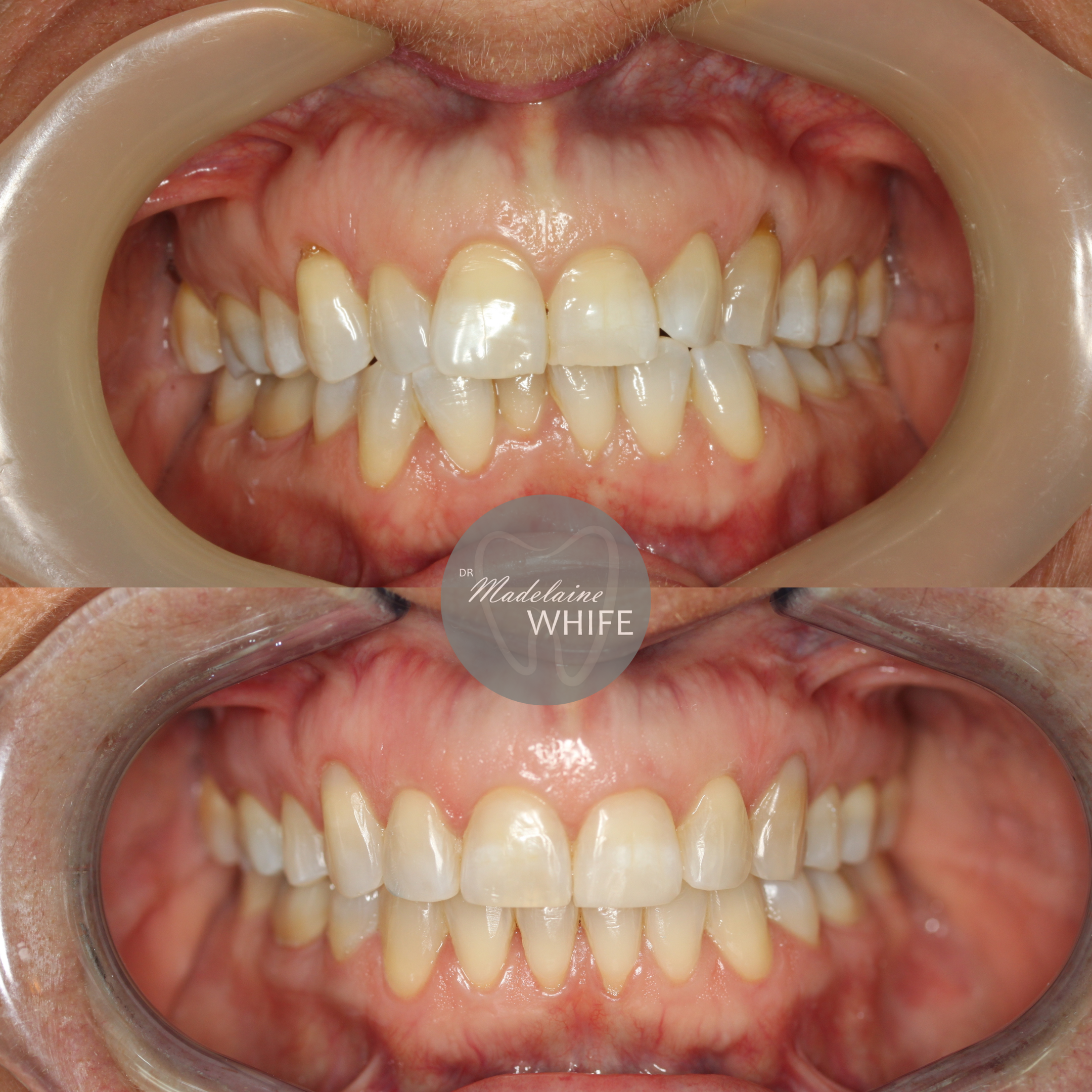
Top: Before. Bottom: After.
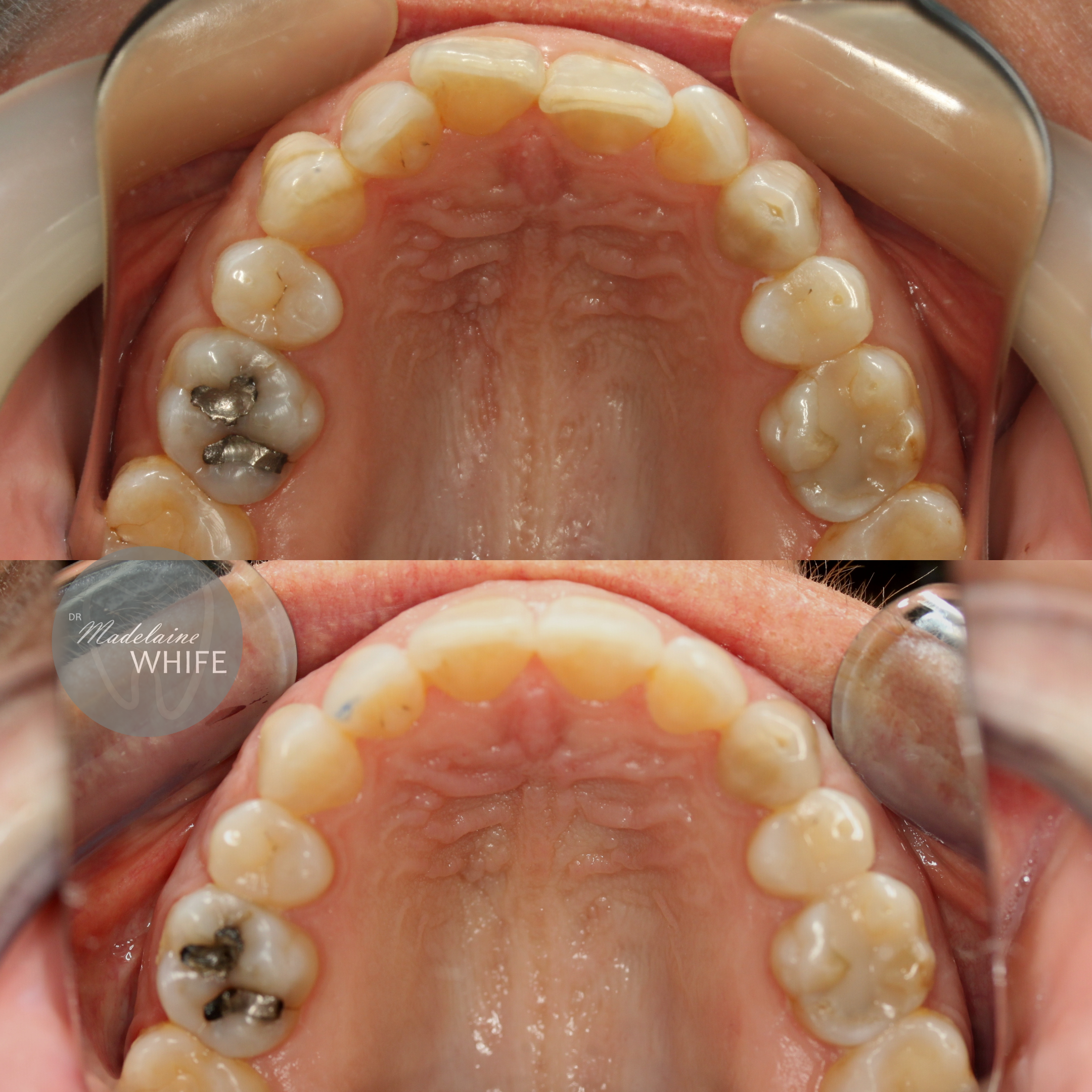
Top: Before. Bottom: After.
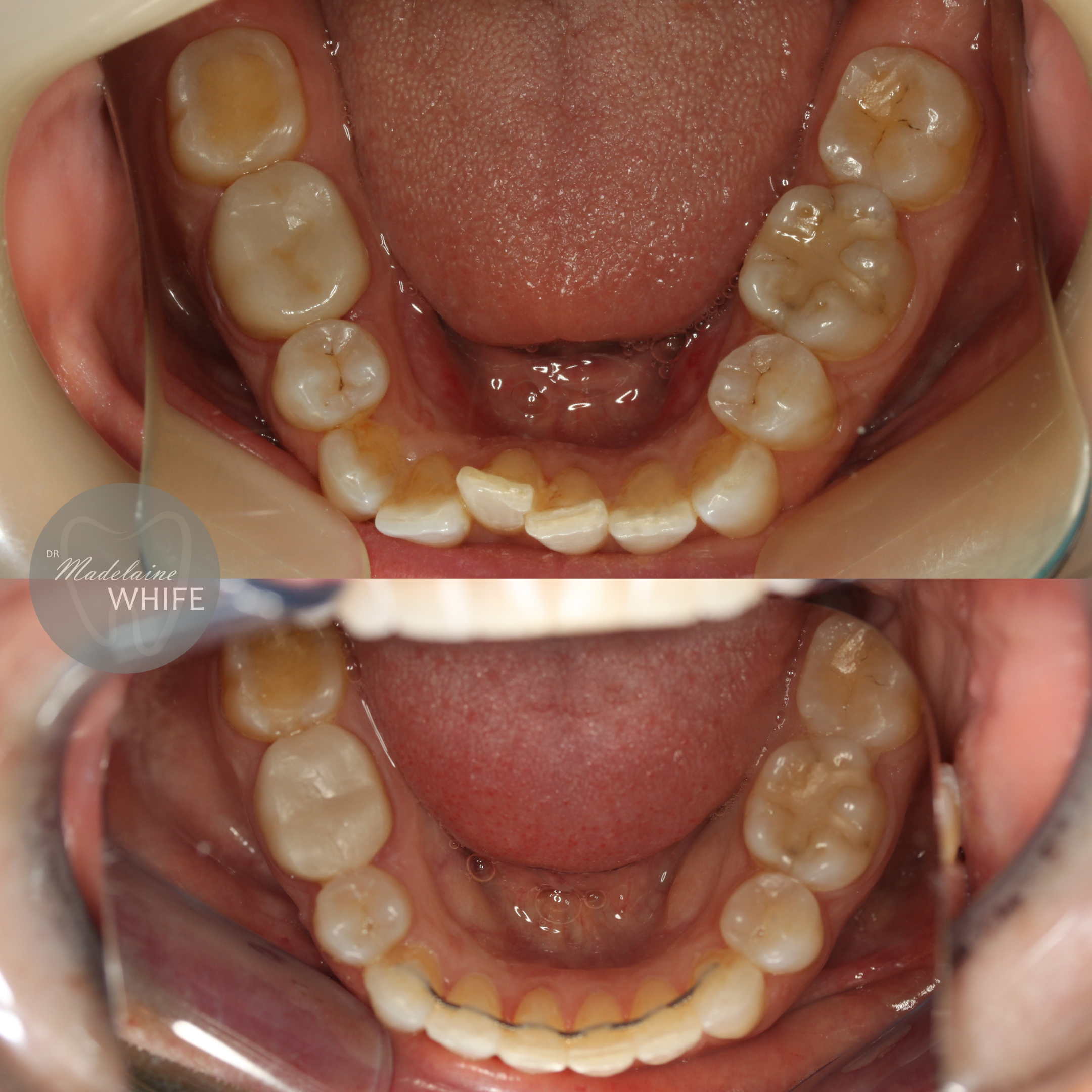
Top: Before. Bottom: After.
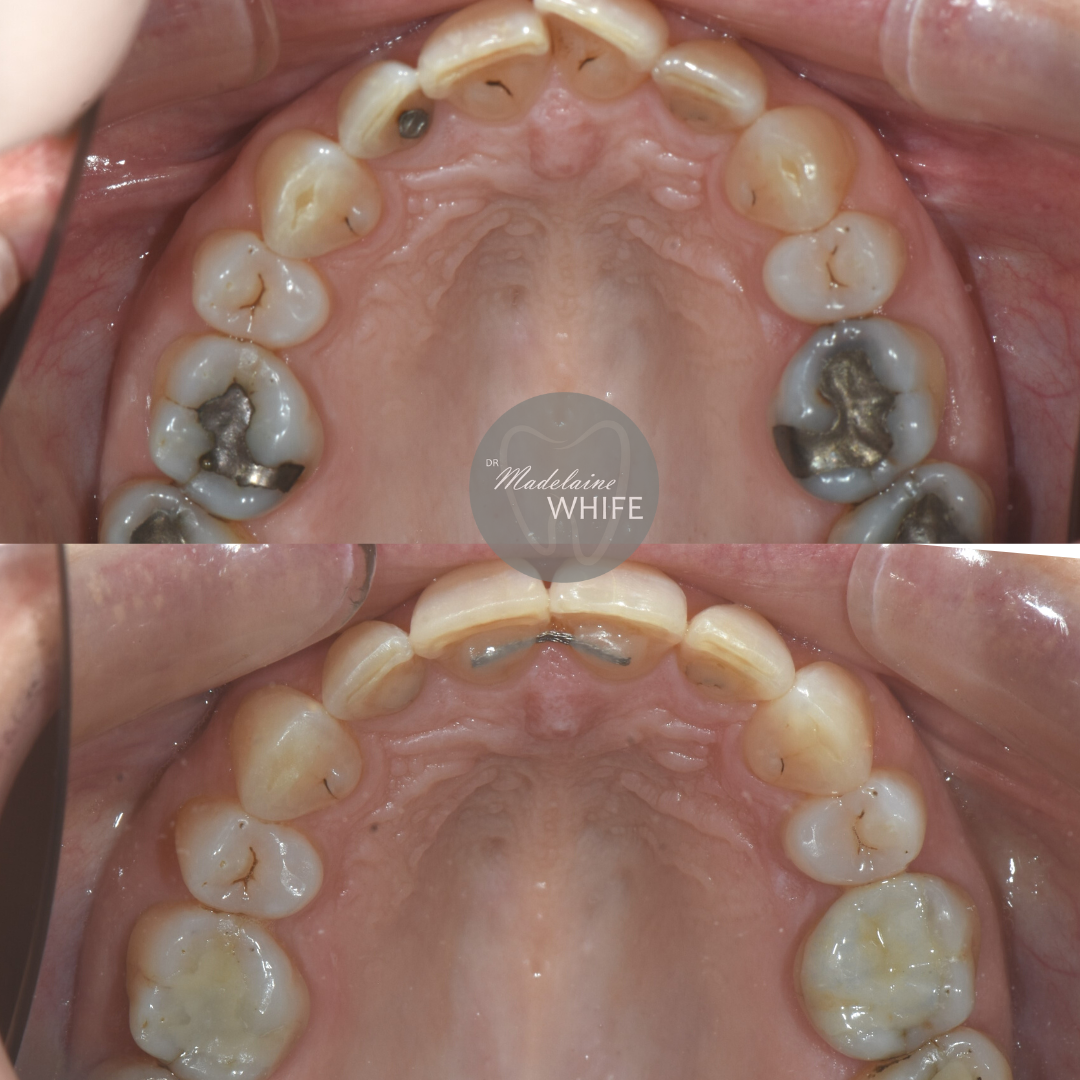
Top: Before. Bottom: After.
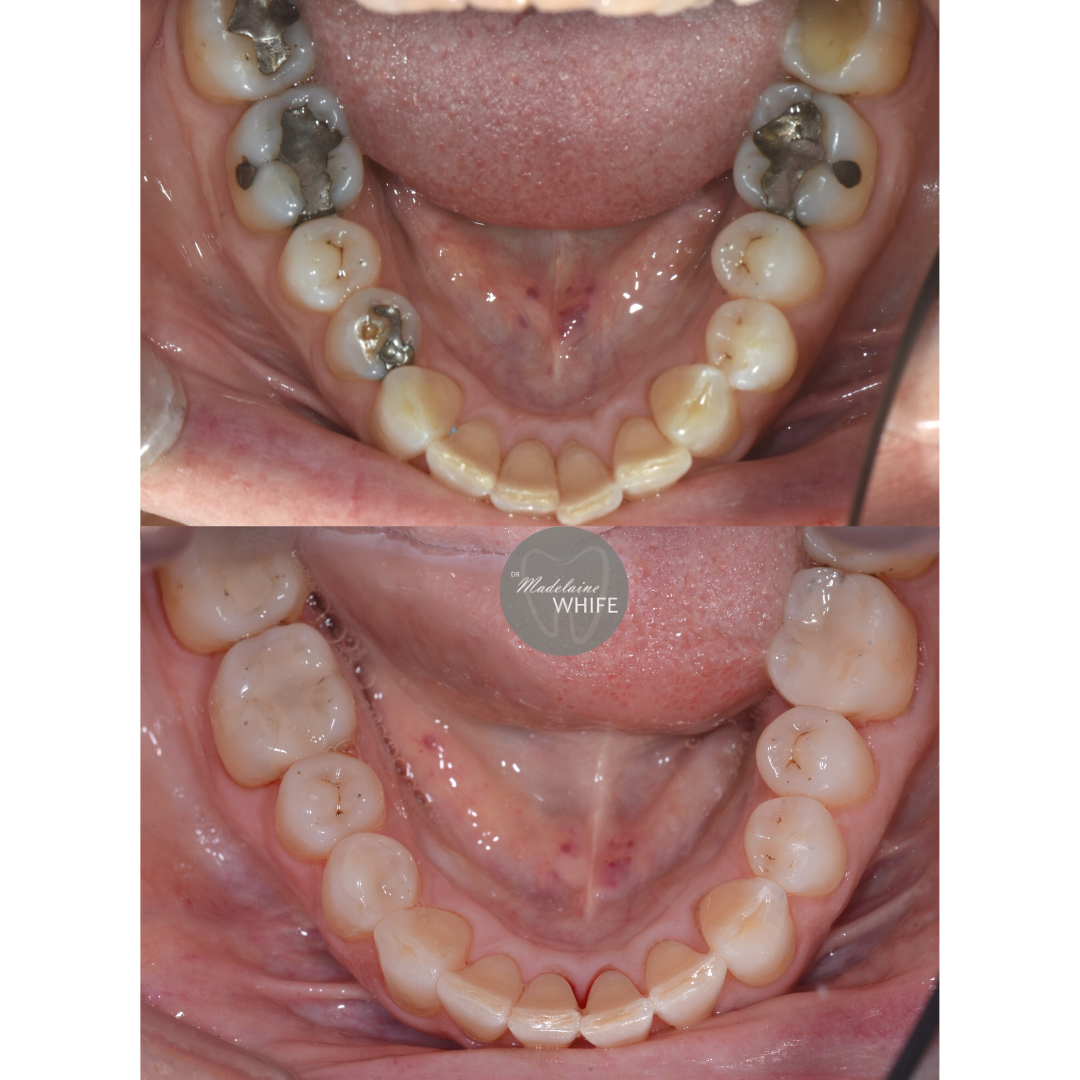
Top: Before. Bottom: After.
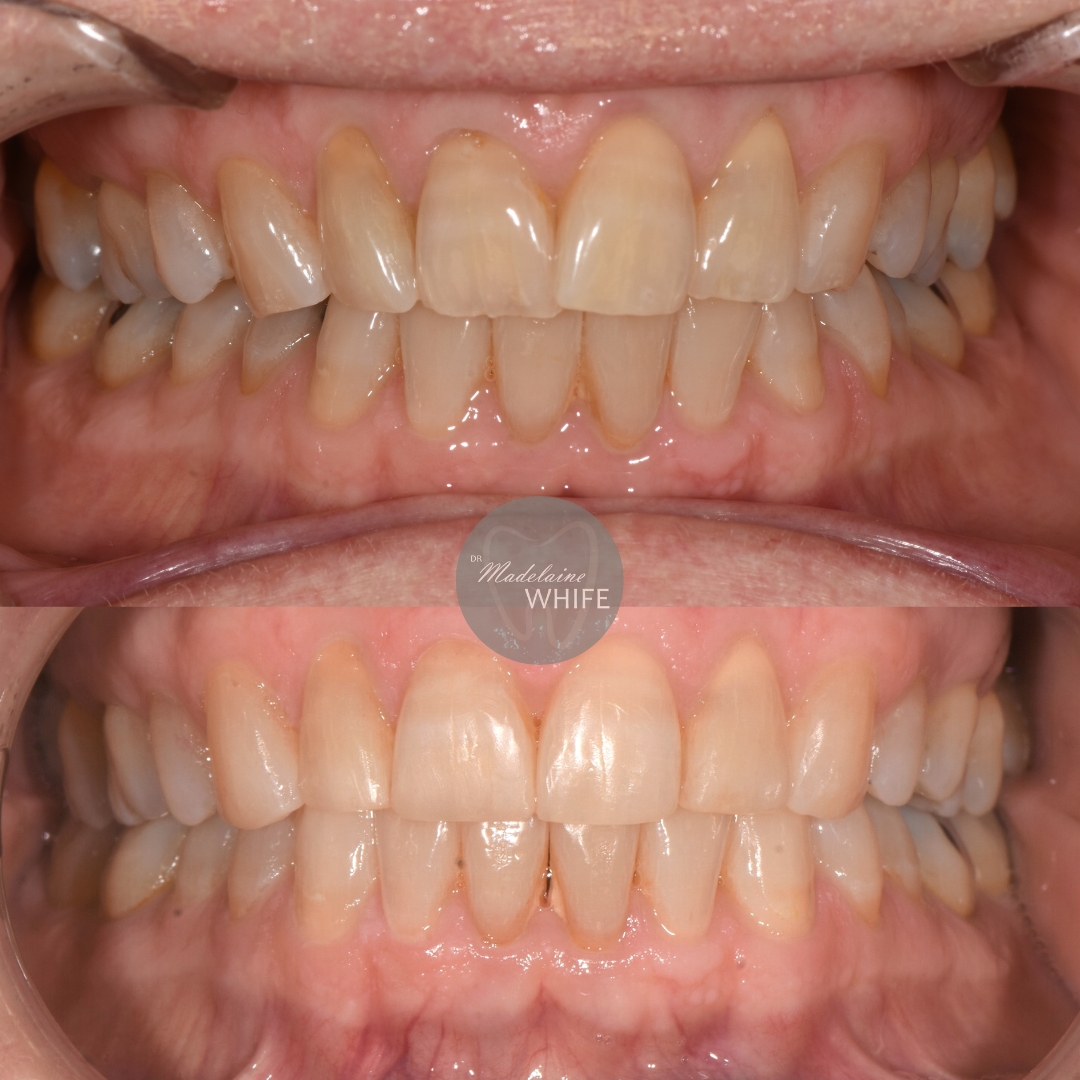
Top: Before. Bottom: After.
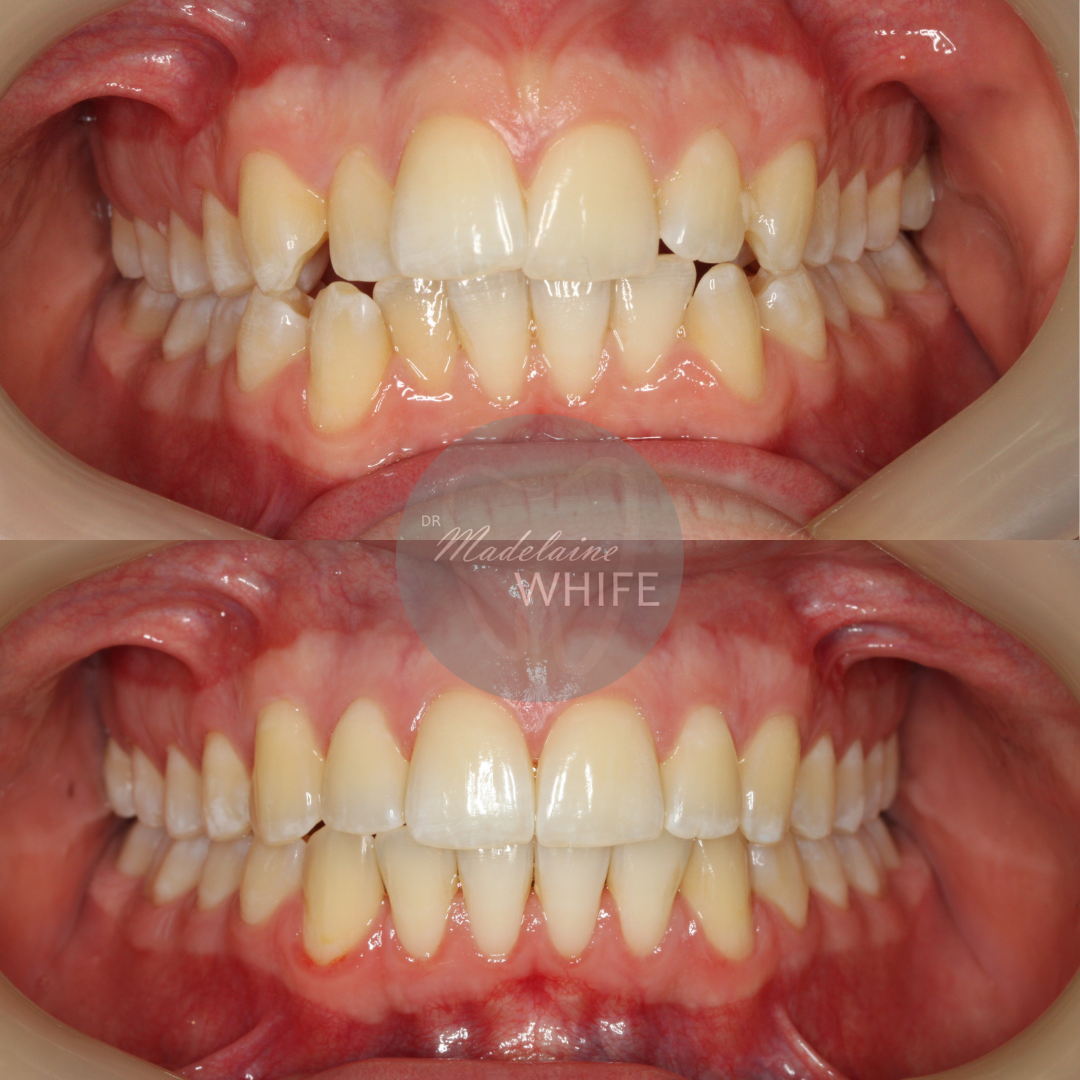
Top: Before. Bottom: After.
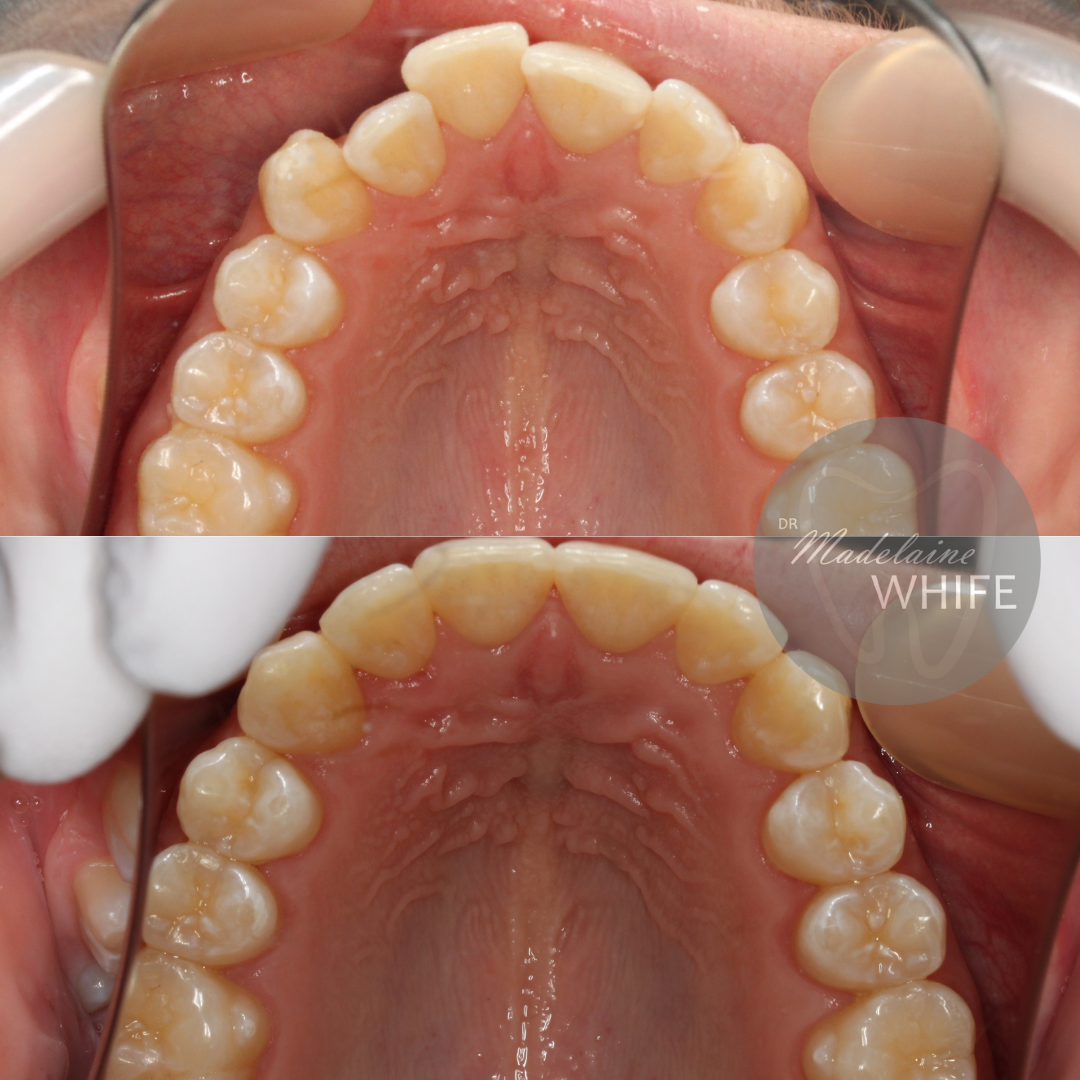
Top: Before. Bottom: After.
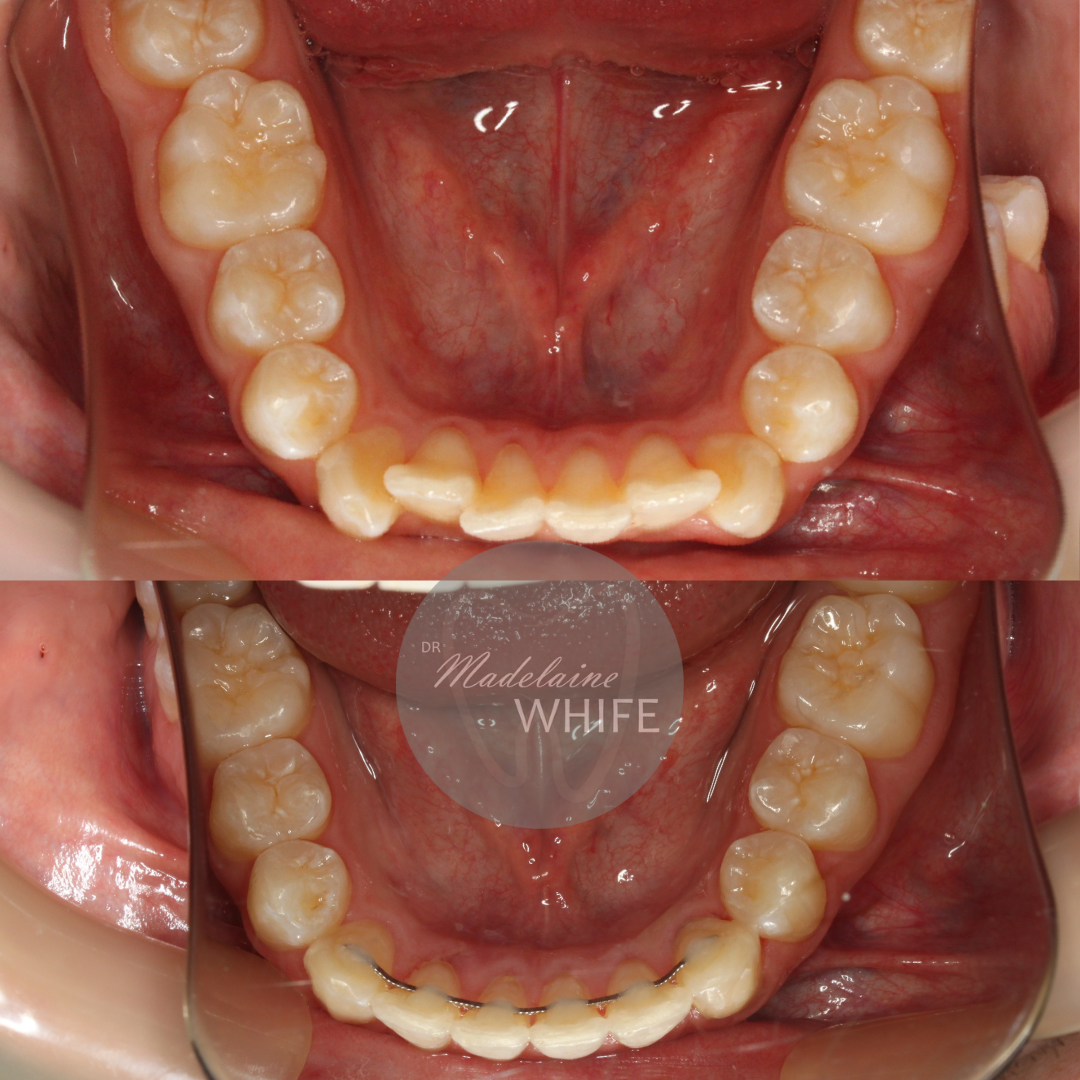
Top: Before. Bottom: After.
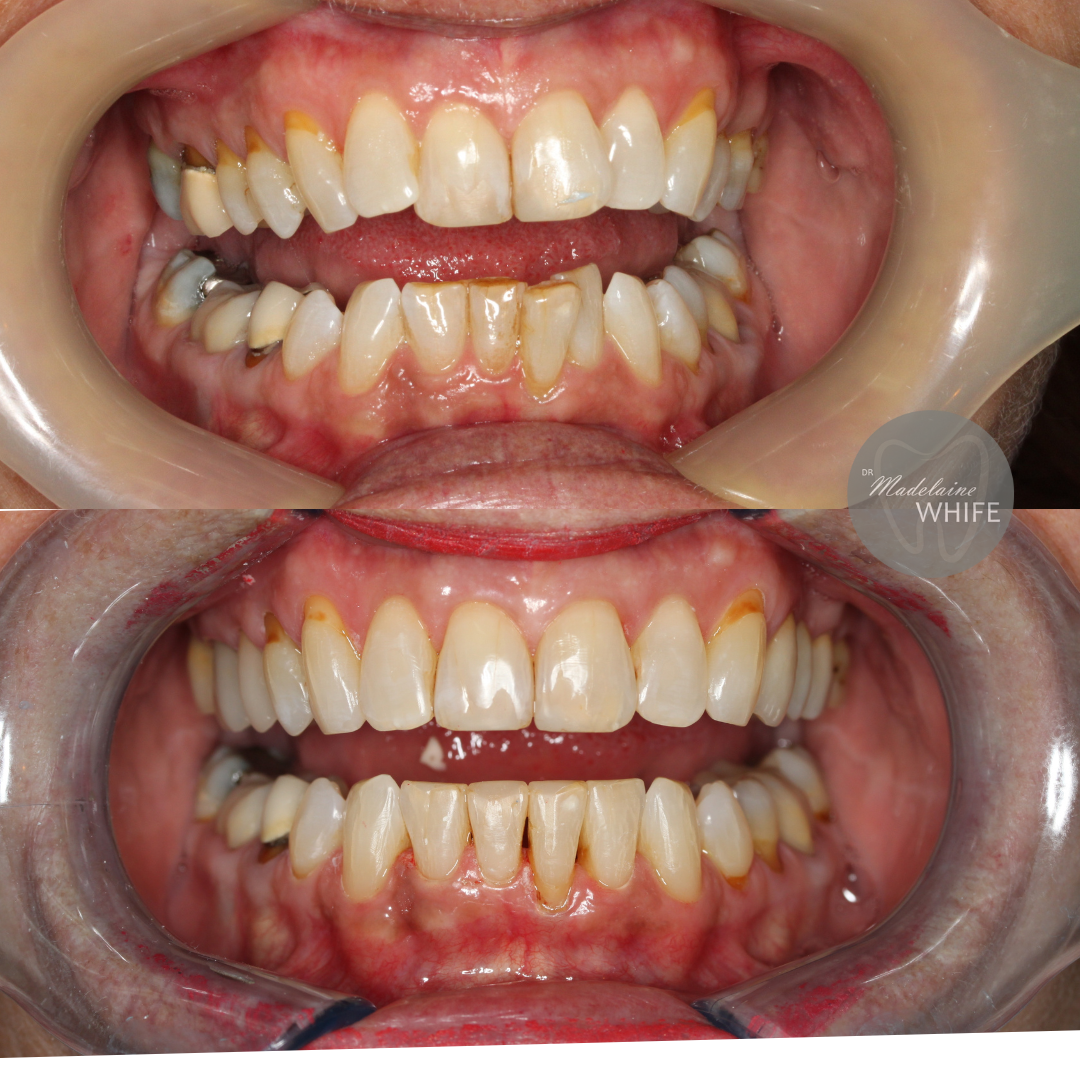
Top: Before. Bottom: After.
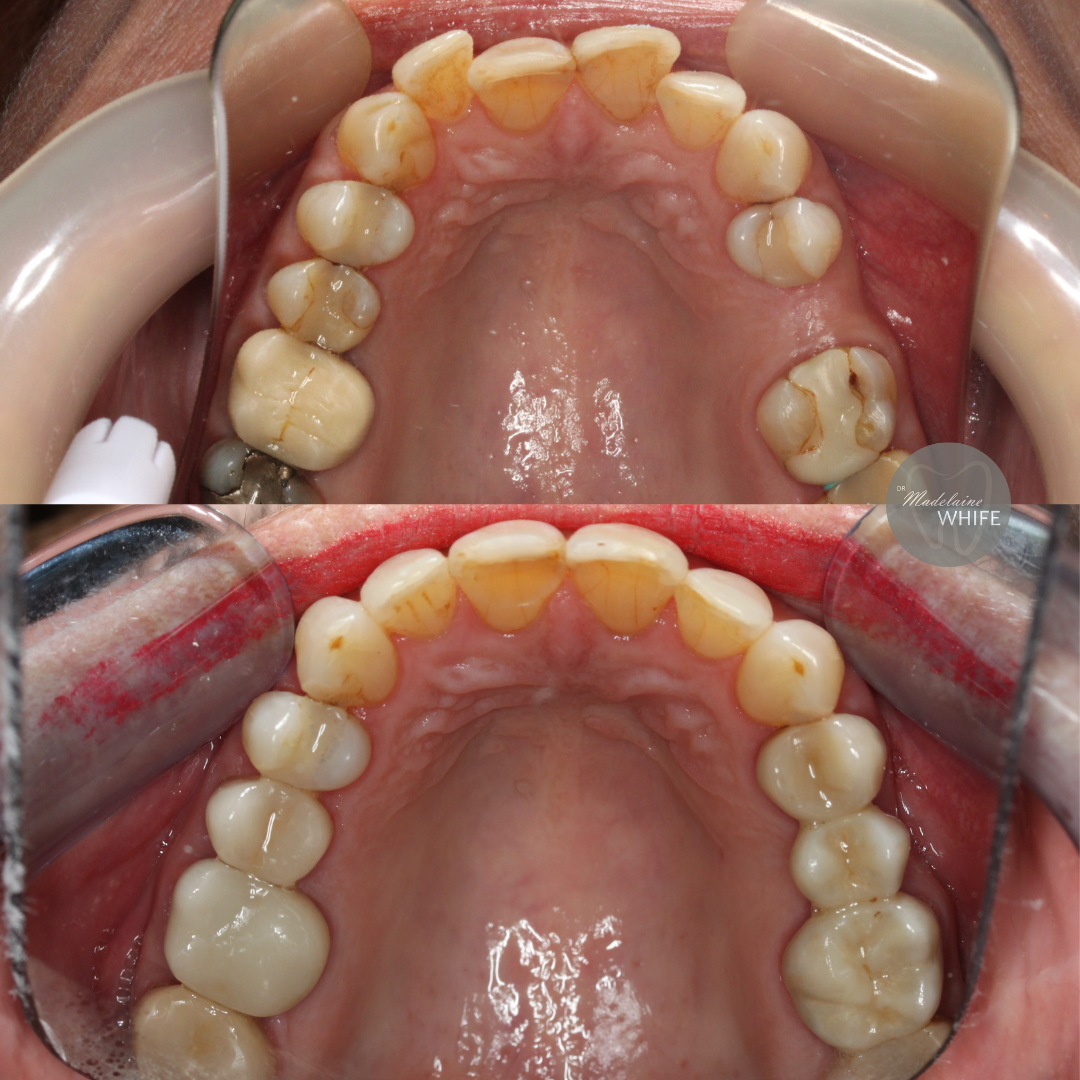
Top: Before. Bottom: After.
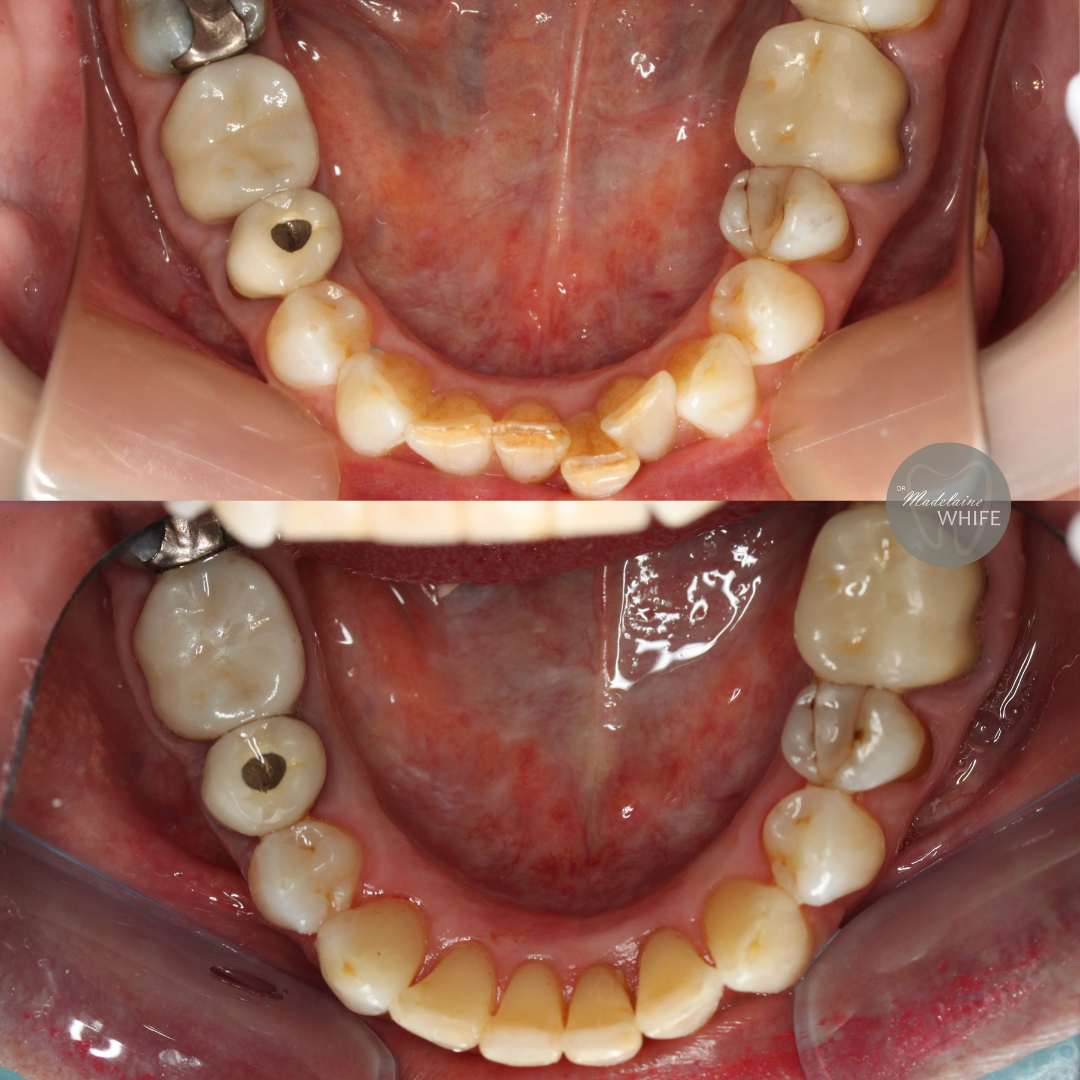
Top: Before. Bottom: After.
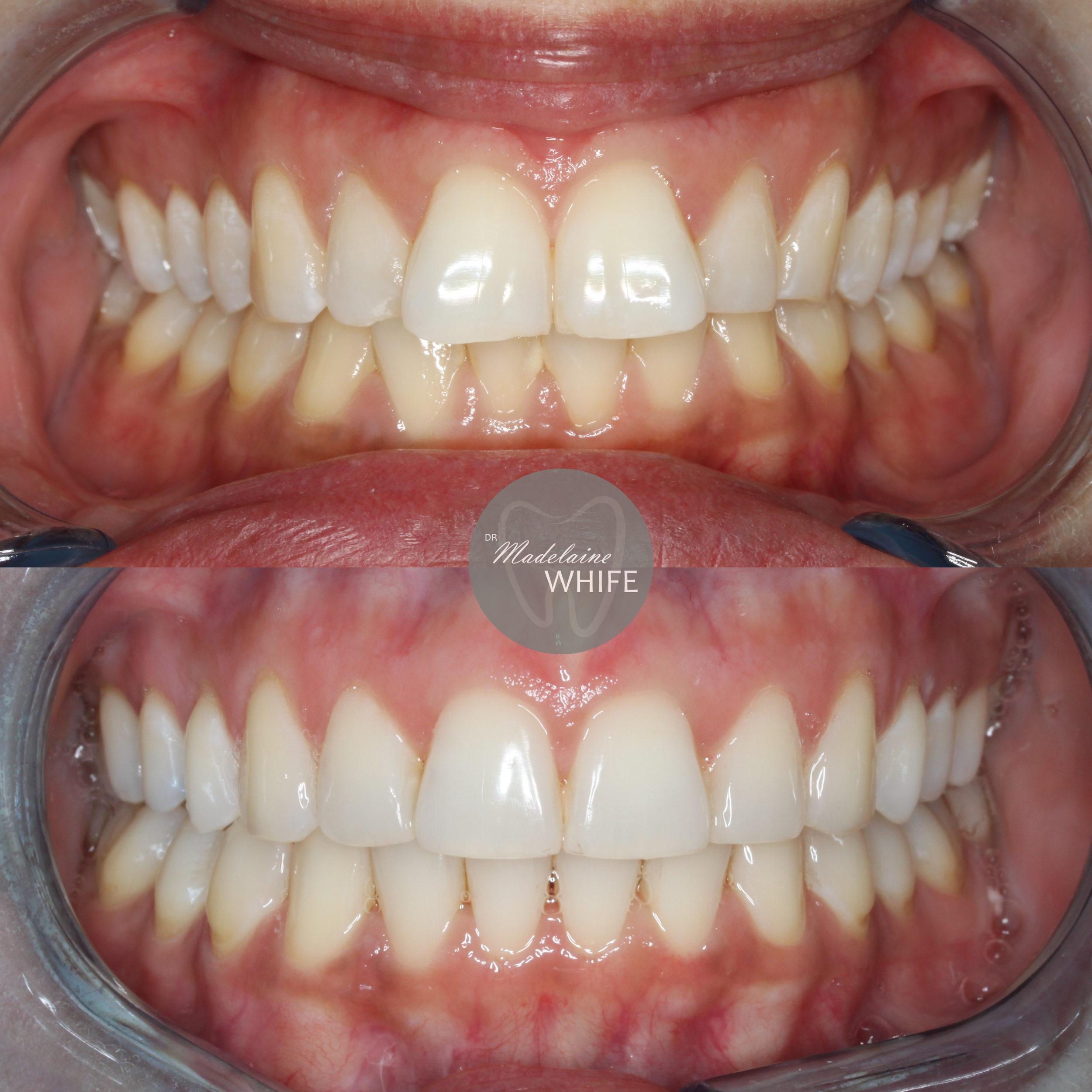
Top: Before. Bottom: After.
Frequently Asked Questions
-
Treatment length depends on how much movement is needed. Minor corrections can take a few months, while more involved cases may take twelve to eighteen months or longer. After your scan, we can give you an estimated timeline based on your specific treatment plan.
-
Aligners are generally more comfortable than fixed braces, but it is normal to feel some pressure or tenderness for a day or two each time you move to a new tray. This is a sign the teeth are moving and usually settles quickly. There are no brackets or wires to cause the irritation sometimes seen with braces.
-
Neither is universally better. Aligners are discreet, removable and easier to clean around, and suit mild to moderate cases. Fixed braces can be more effective for complex movements and do not rely on you remembering to wear them. The right choice depends on your case complexity and your lifestyle, and we will give you an honest recommendation, including referral to an orthodontist if that is the better path.
-
Aligners need to be worn around 20 to 22 hours a day, removed only for eating, drinking anything other than water, and cleaning your teeth. They only move teeth while they are in, so consistent wear is the single biggest factor in getting the result on time.
-
Yes. Teeth naturally tend to drift back toward their original position after any orthodontic treatment, so a retainer is needed to hold the result. We will discuss the retainer options with you as treatment finishes.
-
Often yes, but it requires planning. Existing dental work and gaps affect how teeth can be moved and how attachments bond to the teeth, so this is assessed as part of your initial scan and treatment plan. We will let you know if your existing dental work changes what is achievable.



We accept all health insurance companies including BUPA, HCF, HIF, Police Health, Navy Health, Teachers Health, Police Health. We also accept government payments: Department of Veterans Affairs, Child Dental Benefit Scheme and Metropolitan Patients Dental Subsidy Scheme.